What is IPTV? Complete Guide to Internet Protocol Television
Introduction
The way we watch television has completely changed over the past decade. Newer, more flexible technologies are replacing traditional broadcasting methods such as cable and satellite TV. One of the most popular among them is IPTV, short for Internet Protocol Television. In this article, we’ll explore what IPTV is, how it works, its types, advantages, disadvantages, legality, and its future in the digital entertainment world.
What is IPTV?
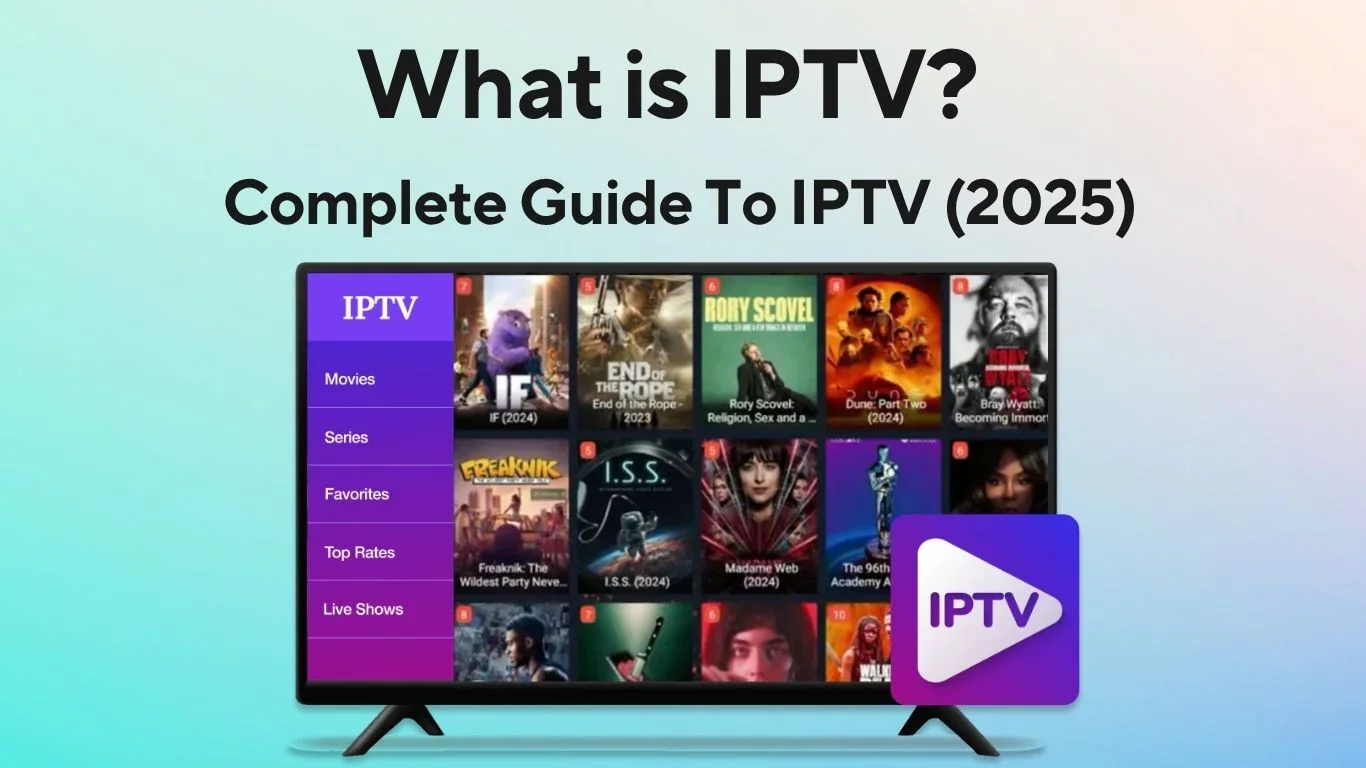
IPTV (Internet Protocol Television) is a digital television broadcasting system that delivers TV programs, live channels, and on-demand content using the Internet instead of conventional satellite or cable formats.
Unlike traditional methods, IPTV does not depend on antennas or satellite dishes. It works by transmitting television signals through Internet Protocols. This means that you can watch your favorite channels and shows on various devices — such as Smart TVs, computers, smartphones, or tablets — as long as you have an internet connection.
IPTV converts traditional broadcast signals into digital data that can be streamed through an internet connection. The system allows users to access live TV, movies, and other media whenever they want, making it a highly flexible and convenient way to consume entertainment.
How IPTV Works
Understanding how IPTV works is easier. Here’s a simplified explanation of the process:
- Content Source – Television programs or media content are first captured and encoded into digital form.
- IP Network Transmission – The digital content is sent over the Internet using IP (Internet Protocol).
- User Access – The viewer uses an IPTV-enabled device or application to access the content.
- Streaming – When you choose a program, the IPTV server streams the requested content instantly to your device.
Because IPTV uses your internet connection instead of broadcasting signals, it allows for on-demand viewing, meaning you can watch what you want at any time instead of following a fixed broadcast schedule.
Types of IPTV Services
IPTV can be divided into three main types of services:
1. Live IPTV
This type streams television programs as they are broadcast in real time, similar to traditional cable or satellite TV.
Example: Watching live sports, news, or music channels online.
2. Video on Demand (VOD)
VOD allows users to select and watch video content at their convenience. You can browse through a catalog of movies or shows and start watching instantly.
Example: Netflix and Amazon Prime Video are popular VOD services.
3. Time-Shifted IPTV
Also known as Catch-Up TV, this service lets you watch programs that aired previously. If you missed your favorite show, you can replay it later.
Example: Watching yesterday’s TV episode on an app or streaming platform.
Advantages of IPTV
IPTV offers numerous advantages that make it a preferred option for modern viewers:
1. Flexibility and Convenience
You can watch any show, at any time, on any device with internet access. There’s no need to follow a broadcast schedule or be tied to your living room.
2. High-Quality Streaming
With a strong internet connection, IPTV delivers HD and 4K quality, providing a superior viewing experience compared to traditional cable TV.
3. Wide Range of Content
IPTV platforms often offer thousands of channels from around the world, as well as movies, documentaries, and on-demand videos.
4. Interactive Features
IPTV offers features like pause, rewind, fast-forward, and record, giving viewers total control over their entertainment experience.
5. Cost-Effectiveness
In many cases, IPTV subscriptions are more affordable than cable or satellite TV packages, making it a budget-friendly choice for families and individuals.
6. Multi-Device Support
IPTV can be accessed on Smart TVs, smartphones, tablets, laptops, and streaming devices such as Fire TV Stick or Roku, making it highly versatile.
Disadvantages of IPTV
While IPTV offers great advantages, it also has some drawbacks that users should consider:
1. Dependence on Internet Speed
IPTV requires a stable, high-speed internet connection. Without it, you might experience buffering or low-quality streaming.
2. Legal Concerns
Not all IPTV services operate legally. Some may stream copyrighted content without permission, which can result in legal trouble for users and providers alike.
3. Server Downtime
If an IPTV provider’s servers go down or become overloaded, your access to channels and content can be interrupted.
4. Technical Knowledge
Setting up IPTV can sometimes be challenging for non-technical users. You should configure apps or streaming devices manually.
Is IPTV Legal?
IPTV itself is a legal technology, but not all IPTV providers operate within legal boundaries.
Legal IPTV services have proper licensing agreements that allow them to distribute content. Examples of legal IPTV providers include YouTube TV, Hulu + Live TV, and Sling TV.
However, illegal IPTV providers often stream copyrighted content without authorization, which can lead to penalties or prosecution. Always check that your IPTV provider has legitimate content distribution rights before subscribing.
How to Watch IPTV
Watching IPTV is simple once you have the right setup. Here’s what you’ll need:
- A Reliable Internet Connection – Preferably 20 Mbps or higher for smooth HD streaming.
- An IPTV Subscription – Choose a legal IPTV provider with the channels and content you prefer.
- A Compatible Device – You can use a Smart TV, Android TV Box, Fire TV Stick, mobile phone, or computer.
- An IPTV App – Some popular apps include Smart IPTV, TiviMate, or GSE Smart IPTV.
- Playlist or Portal URL – Provided by your IPTV provider to access your channels and videos.
After setting up, you can enjoy live TV, movies, and shows just like any other streaming service.
Future of IPTV
The future of IPTV looks extremely promising. With the rise of high-speed Internet and smart home devices, IPTV is rapidly becoming the dominant form of television broadcasting.
As more users cut the cord on traditional TV, the demand for IPTV is expected to grow. Future IPTV systems will likely include AI-based recommendations, cloud recording, 8K streaming, and interactive advertising.
Moreover, as more media companies and broadcasters embrace IPTV, viewers will have access to even more personalized and affordable entertainment options.
According to IPTV Market Growth Statistics, the future of IPTV looks promising with millions of users shifting from cable to online streaming.
Frequently Asked Questions
1. What does IPTV stand for?
IPTV stands for Internet Protocol Television, a technology that delivers television content through the Internet rather than traditional satellite or cable.
2. How does IPTV work?
IPTV works by transmitting digital television signals through the Internet. When you select a program, the IPTV server streams the content to your device instantly using IP-based networks.
3. Is IPTV legal?
Yes, IPTV is legal when provided by licensed distributors who have the rights to broadcast the content. Avoid unlicensed IPTV services that stream copyrighted material illegally.
4. What are the benefits of IPTV?
IPTV offers on-demand access, flexibility, HD quality, and cost savings. It allows viewers to watch content anytime, on multiple devices, without cable restrictions.
5. Can I use IPTV on my mobile phone?
Yes, you can use IPTV on Android and iOS smartphones by installing a compatible IPTV app and connecting it to a valid IPTV subscription.
6. What speed of Internet do I need for IPTV?
For HD IPTV streaming, a minimum speed of 10–15 Mbps is recommended. For 4K quality, at least 25 Mbps is ideal for smooth performance.
Conclusion
IPTV is revolutionizing the way we watch television. It combines the convenience of the Internet with the entertainment value of traditional TV, allowing users to enjoy content whenever and wherever they want.
Whether you’re looking for live sports, movies, or on-demand shows, IPTV provides a flexible, cost-effective, and modern entertainment solution. As technology continues to evolve, IPTV is expected to become the global standard for TV broadcasting in the near future.
Conclusion
To conclude, What is IPTV? Complete Guide to Internet Protocol Television provides valuable insights into improving your IPTV experience on any device.
By following the steps in this guide, you can enjoy smooth and high-quality streaming with ease.
Always rely on a trusted IPTV provider, keep your app updated, and maintain a stable internet connection for the best performance.
For reliable IPTV services in the UK, visit
4K Subscription —
your go-to destination for premium IPTV UK subscriptions.
Contact Us
Have questions or need assistance? We're here to help!
Get in Touch
Email Us
contact@4kukiptv.shop
Available 24/7
Call Us
+447424116014
Available 24/7
Live Chat
Available on our website
Response time: Under 5 minutes
Our Hours
Customer Support: 24/7
Sales Department: Mon-Fri, 9am-6pm GMT
Technical Support: 24/7